
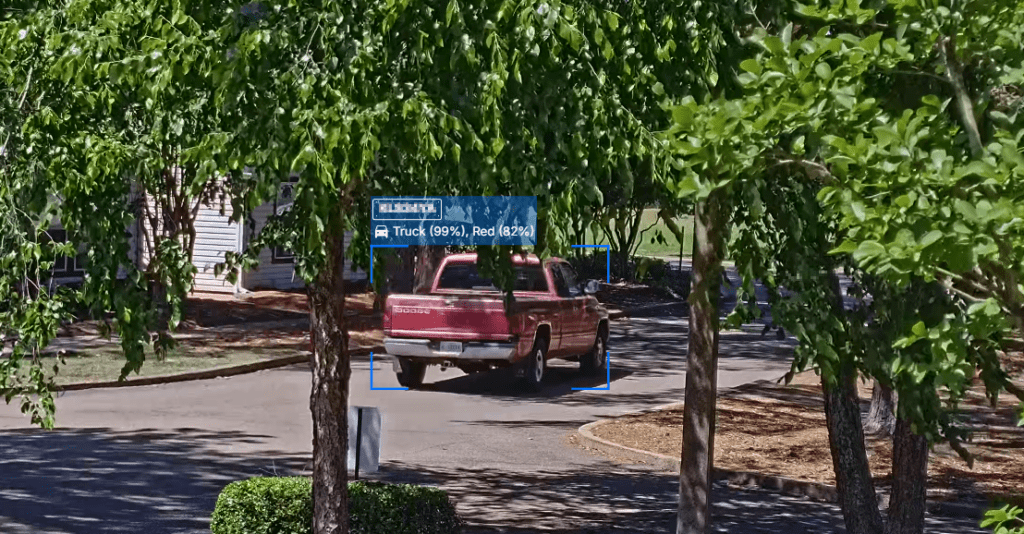
License plate recognition is no longer a niche security upgrade. It’s quietly becoming standard infrastructure for places that need to know who is coming and going—apartment complexes, HOAs, convenience stores, industrial sites, and increasingly, entire neighborhoods.
At its core, the technology is simple. Cameras capture license plates, software converts those images into searchable data, and users can flag or review vehicle activity tied to time, date, and location. But the implications of that simplicity are where the conversation gets more complex, and more interesting.
From passive recording to active awareness
Traditional security cameras have always been reactive. If something happens, you go back, scrub through footage, and try to find what matters.
License Plate Readers (LPRs) shift that model. Instead of passive recording, they create structured, searchable vehicle data. That means security teams aren’t just reviewing incidents after the fact—they’re actively building context around vehicle movement in real time.
For property managers and business owners, that changes the workflow. A suspicious vehicle isn’t just “on camera somewhere.” It can be identified, flagged, and tracked across multiple points of entry.
That’s the appeal driving adoption.
Why LPR adoption is accelerating
Across the country, LPR systems are being installed at a rapid pace. The reasons are less about novelty and more about practicality.
First, vehicles are central to almost every modern security concern—package theft, trespassing, coordinated break-ins, and after-hours activity all tend to involve a car.
Second, staffing shortages in security roles have made automation more attractive. Property managers aren’t trying to replace guards, but they are trying to extend their reach. LPRs act as a force multiplier, reducing the need for constant human monitoring.
Third, the data itself is useful beyond immediate incidents. Over time, patterns emerge: repeat vehicles, unusual traffic at odd hours, or consistent presence near restricted areas.
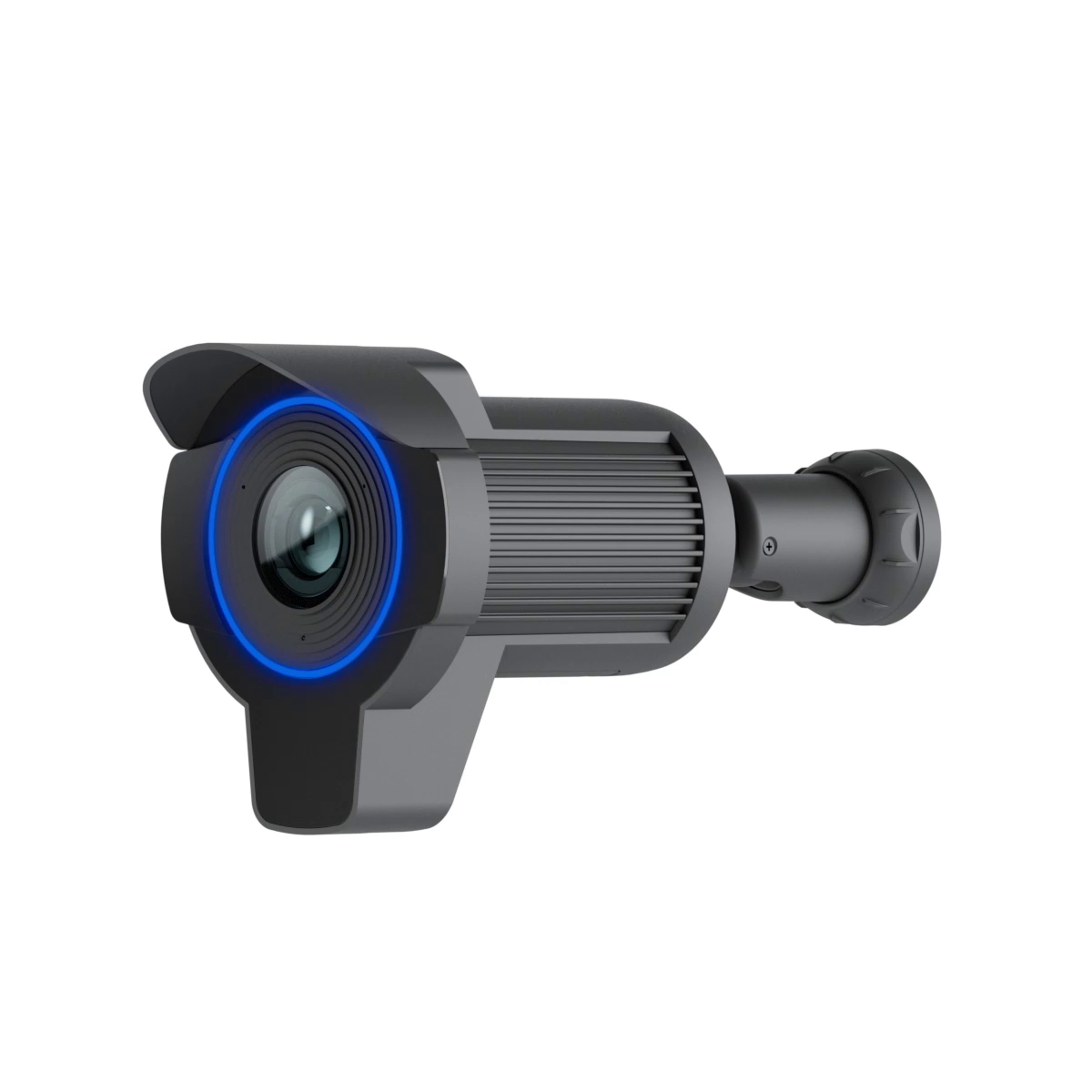
Many of these LPRs are hooked up to AI-Powered recording devices (NVRs) that can even send you a text if it recognizes a previously flagged license plate on your property.
The growing presence of AI-driven systems
Modern LPR platforms increasingly rely on artificial intelligence to improve accuracy and reduce false positives. That includes better plate detection in poor lighting, motion filtering to avoid irrelevant captures, and faster matching against watchlists or historical data. Companies like Flock Safety have played a major role in popularizing these systems in residential communities and law enforcement contexts, helping normalize the idea that vehicle-level data can be part of everyday security infrastructure
While the tools are becoming more advanced, the core question hasn’t changed: how do you use this kind of visibility responsibly?
The concerns that follow the technology
As LPR systems become more common, so do questions about privacy, data retention, and oversight.
One of the most frequently raised concerns is how long vehicle data is stored and who has access to it. In some deployments, data is retained for short periods and used strictly for live security purposes. In others, it may be searchable over longer timeframes, depending on policy and jurisdiction.
Another concern is scope. What begins as a tool for securing a gated community or parking lot can, in some cases, expand into broader surveillance networks shared across organizations or agencies.
That expansion is where public discussion tends to intensify.
A recent local discussion in Rutherford County, highlighted in a WKRN report, reflects this tension. Residents raised questions about the use of Flock cameras in their communities; questions that are becoming increasingly common wherever LPR technology is deployed at scale.
Most notably, these debates aren’t necessarily about whether the technology works. Most agree that it does. The discussion is more about governance: how it should be used, and where the boundaries should be drawn.
The balance between security and privacy
The most productive way to understand LPR technology is not as inherently good or bad, but as powerful infrastructure that depends heavily on configuration and policy.
At its best, LPR systems help deter crime, speed up investigations, and provide property owners with actionable information that would otherwise be impossible to obtain.
At their worst, poorly managed systems can create unnecessary data accumulation, unclear access controls, or misuse outside of intended purposes.
This is where implementation matters as much as hardware.
Clear retention policies, restricted access roles, audit logs, and transparent usage guidelines all shape whether an LPR system becomes a focused security tool or something more expansive than intended.
Where we fit in
For organizations evaluating LPR systems today, the decision is less about whether to adopt the technology and more about how to deploy it in a way that aligns with their operational and ethical priorities.
ICU Security has always believed that your cameras should be catching the good in order to prevent the bad. Our ideology stems from the notion that people tend to do more good and less bad when they know they’re being watched. By creating awareness around your surveillance system, your customers, employees, and tenants will act as though you were standing right in front of them.
What does this look like? It can be putting your cameras on display on an awareness monitor to show that the cameras work, or it could be thanking an employee for how they handled an interaction that nobody was around to see. The goal is to encourage positive interactions surrounding the system time to time so that everybody knows they work, and that you check the cameras.
AI powered LPRs can be utilized this way too. Imagine how your employees will show up tomorrow if you send $20 to the guy who came 10 minutes early. The important part, as with most technology, is not how it works, but how it is used. LPRs are an incredibly powerful, and necessary tool.